Your cart is empty.
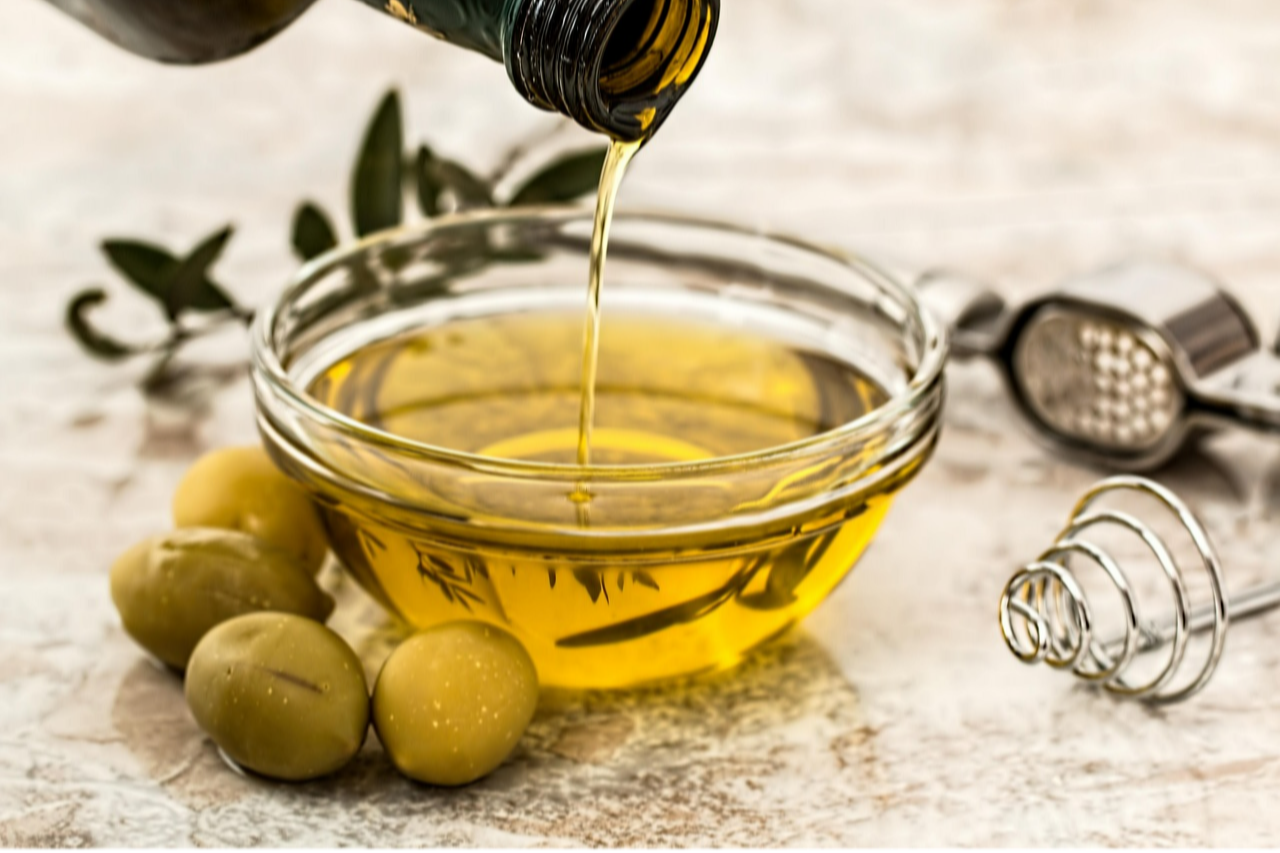
Olive oil is not just a food product; it is the result of a long and demanding process extending from the orchard to the table. Every stage the olive goes through from being picked from its branch until it reaches the table directly affects the quality of the oil.
In this article, we discuss the production process of olive oil step by step; and in some stages, we briefly share the approach taken at Zümrütpınarı.
1. Year-Round Care of Olive Trees
Quality olive oil does not begin on harvest day, but with correct care practices carried out throughout the year.
Pruning, soil balance, and respect for the tree's natural cycle form the foundation of a productive and healthy harvest. The olive tree yields quality products not when forced, but when kept in balance.
2. Determining the Harvest Time
Harvest time is one of the most critical stages that determine the character of olive oil.
Early harvest: More intense aroma, higher polyphenols
Normal harvest: More balanced taste, higher oil yield
At Zümrütpınarı, the first harvest is preferred, especially for olive oils obtained from wild olives (delice), preserving the aromatic structure of the olive. This preference is an approach that prioritizes quality over yield.
3. Harvesting the Olives
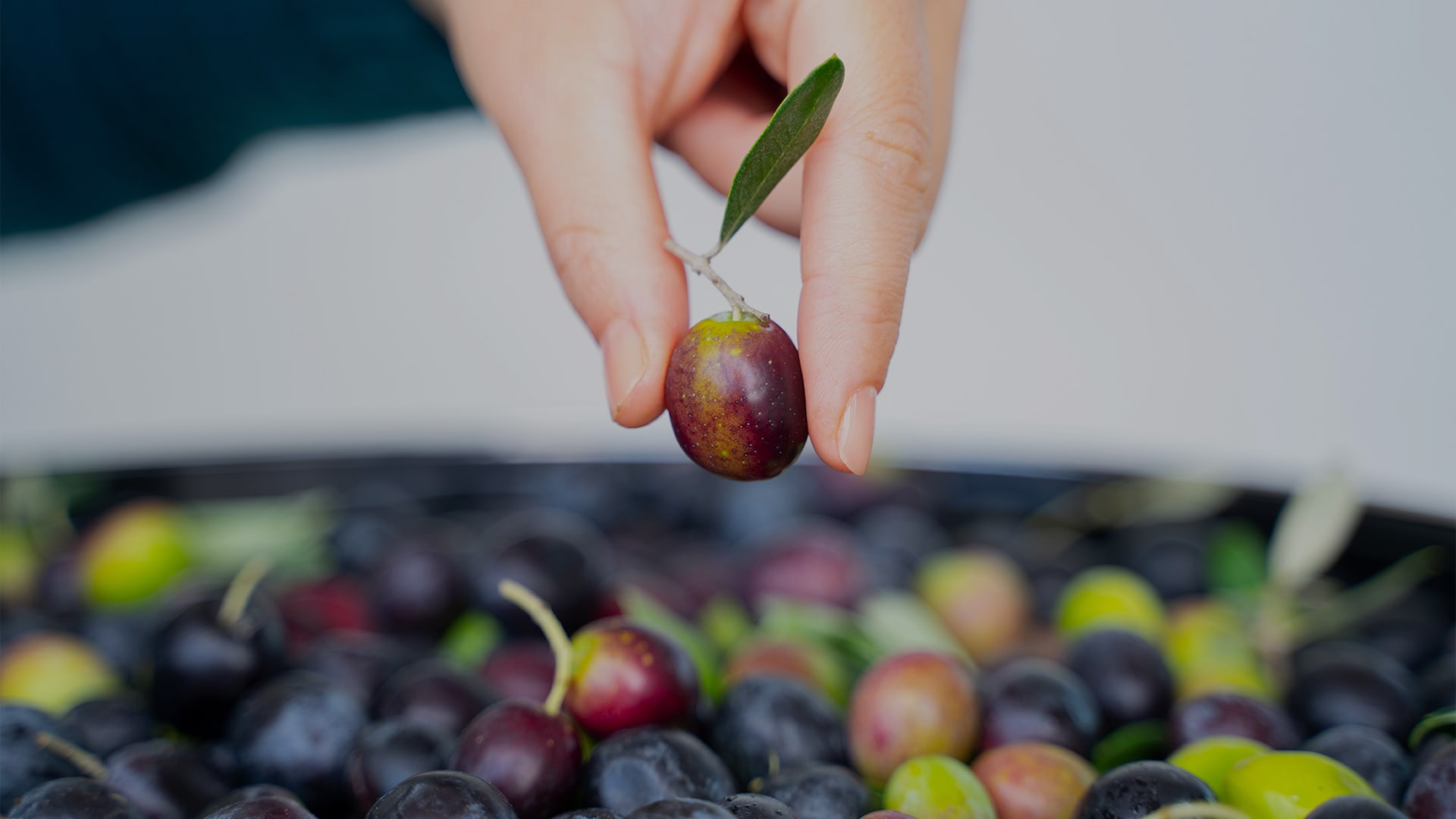
Olives must be collected Without contacting the soil, Without being bruised, and Without waiting. Leaving the harvested olives waiting can cause undesirable tastes and odors in the oil. Therefore, the time between harvest and pressing is of great importance in terms of quality.
4. Pressing Process
The harvested olives are taken to pressing as soon as possible.
The cold pressing method is preferred in terms of Low-temperature processing, Preserving the natural structure of the olive, and Applying no chemical processes. This method preserves both the nutritional value and the aroma of the olive oil.
5. Resting Process
The olive oil obtained after pressing is not offered directly for consumption. First, it is rested in stainless steel tanks.
During this process at Zümrütpınarı; The olive oil is allowed to settle naturally, The sediment is allowed to sink to the bottom, and Filling is done from the sediment-free part of the tank.
This method aims to obtain a more balanced product without interfering with the structure of the oil.
6. Non-Filtration and Naturalness
In order to preserve naturalness in olive oil, no filtration process is applied. Therefore, after filling; a small amount of sediment may form at the bottom of the Bottles and Tins.
This situation is not a defect; on the contrary, it is an indicator that the olive oil is natural and unprocessed. The sediment is a natural settling that occurs over time and does not negatively affect the quality.
7. Filling and Reaching the Table
The olive oil that has completed its resting process is filled according to need and delivered to the consumer. The aim is to present the product to the tables in its freshest and most natural state possible.
Conclusion
Although olive oil may seem like a simple product, there is serious knowledge, effort, and patience behind it. Every stage from the orchard to the table determines the quality of the oil.
The methods preferred at Zümrütpınarı aim to obtain olive oil whose naturalness and character are preserved, rather than producing in high quantities. This approach makes itself evident in every drop.