
Your cart is empty.
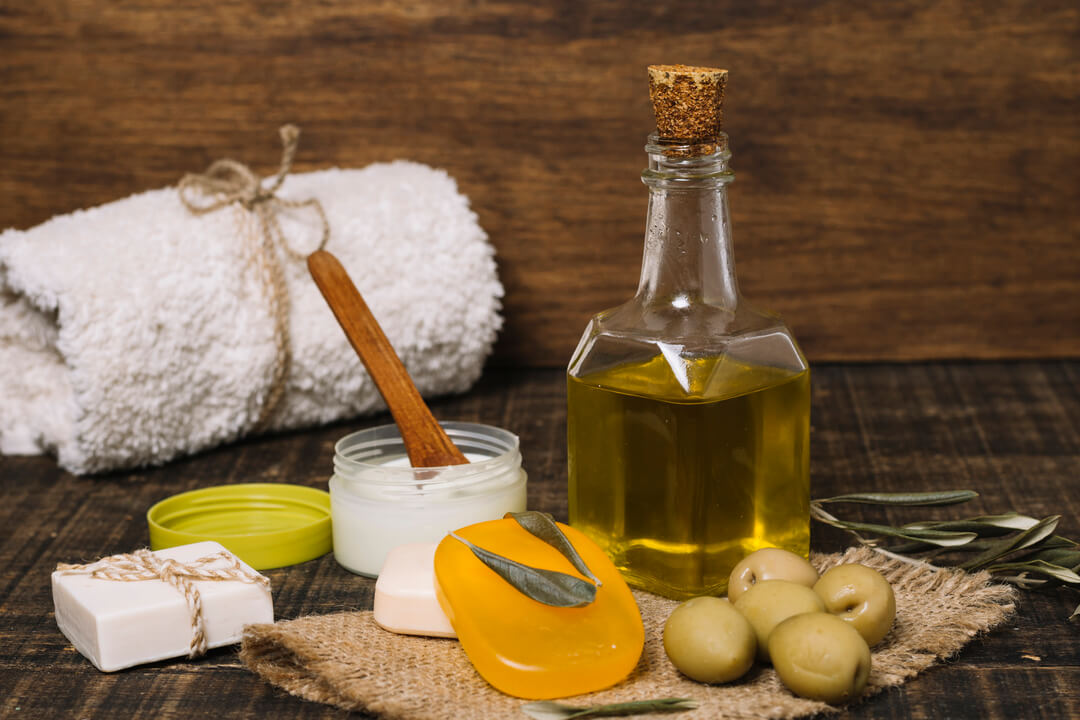
Olive oil has been used as both a food and a beauty product for thousands of years. This tradition, extending from Cleopatra's skin care rituals to Ottoman baths, is also supported by biochemistry research today. So, is olive oil really good for your skin?
The Effect of Olive Oil on the Skin
A large portion of olive oil, ranging between 55% and 85%, consists of oleic acid. This fatty acid has a structure that strengthens the skin barrier and reduces moisture loss. In addition to this, it contains fat-soluble vitamins, especially vitamin E. Vitamin E has a protective effect particularly against free radical damage; this makes it a natural anti-aging component.
Which skin types is it suitable for?
Olive oil is highly effective on dry and normal skin. Due to its comedogenic structure, it can clog pores, so it should be used carefully on oily and acne-prone skin. For combination skin types, it can be applied to areas outside the T-zone. For baby and sensitive skin, although it has a deep-rooted traditional use, it is recommended to test it on a small area first.
Usage methods
Applying a few drops of olive oil right after getting out of the shower, before the skin completely dries, ensures that moisture is locked into the skin. For hand and nail care, applying it before sleep at night is effective. For facial use, a very small amount — a few drops — is sufficient; application for the fine lines around the eyes is a particularly preferred method. For makeup removal purposes, gently massage with your fingertips, then cleanse the face with a wet cotton pad or cloth.
The Difference with Olive Oil Soap
Natural olive oil soaps create a different effect than applying pure olive oil directly to the skin. During the saponification process, the structure of the oil changes; glycerol is released, and this compound has a moisturizing effect on the skin. Therefore, a good olive oil soap both cleanses and does not peel or dry out the skin. Cold-process soaps produced from Tirilye olive oil are valuable in this regard.
How to Add to Your Daily Routine?
It is more practical to use olive oil in the evening care routine rather than in the morning routine. It should be kept in mind that when used under the sun during the day, it can attract sun rays and increase the risk of burns. When used as a body lotion, there are no time restrictions; both uses are suitable depending on preference.
To fully benefit from the effects of olive oil on the skin, choosing a high-quality, cold-pressed product is the most important step. Zümrütpınarı olive oils, coming from the fertile orchards of Tirilye, are waiting for you to make a difference both on your table and in your skin care routine.
The Effect of Olive Oil on the Skin
A large portion of olive oil, ranging between 55% and 85%, consists of oleic acid. This fatty acid has a structure that strengthens the skin barrier and reduces moisture loss. In addition to this, it contains fat-soluble vitamins, especially vitamin E. Vitamin E has a protective effect particularly against free radical damage; this makes it a natural anti-aging component.
Which skin types is it suitable for?
Olive oil is highly effective on dry and normal skin. Due to its comedogenic structure, it can clog pores, so it should be used carefully on oily and acne-prone skin. For combination skin types, it can be applied to areas outside the T-zone. For baby and sensitive skin, although it has a deep-rooted traditional use, it is recommended to test it on a small area first.
Usage methods
Applying a few drops of olive oil right after getting out of the shower, before the skin completely dries, ensures that moisture is locked into the skin. For hand and nail care, applying it before sleep at night is effective. For facial use, a very small amount — a few drops — is sufficient; application for the fine lines around the eyes is a particularly preferred method. For makeup removal purposes, gently massage with your fingertips, then cleanse the face with a wet cotton pad or cloth.
The Difference with Olive Oil Soap
Natural olive oil soaps create a different effect than applying pure olive oil directly to the skin. During the saponification process, the structure of the oil changes; glycerol is released, and this compound has a moisturizing effect on the skin. Therefore, a good olive oil soap both cleanses and does not peel or dry out the skin. Cold-process soaps produced from Tirilye olive oil are valuable in this regard.
How to Add to Your Daily Routine?
It is more practical to use olive oil in the evening care routine rather than in the morning routine. It should be kept in mind that when used under the sun during the day, it can attract sun rays and increase the risk of burns. When used as a body lotion, there are no time restrictions; both uses are suitable depending on preference.
To fully benefit from the effects of olive oil on the skin, choosing a high-quality, cold-pressed product is the most important step. Zümrütpınarı olive oils, coming from the fertile orchards of Tirilye, are waiting for you to make a difference both on your table and in your skin care routine.